
Refusing a Breath, Blood, or Field Sobriety Test in Texas
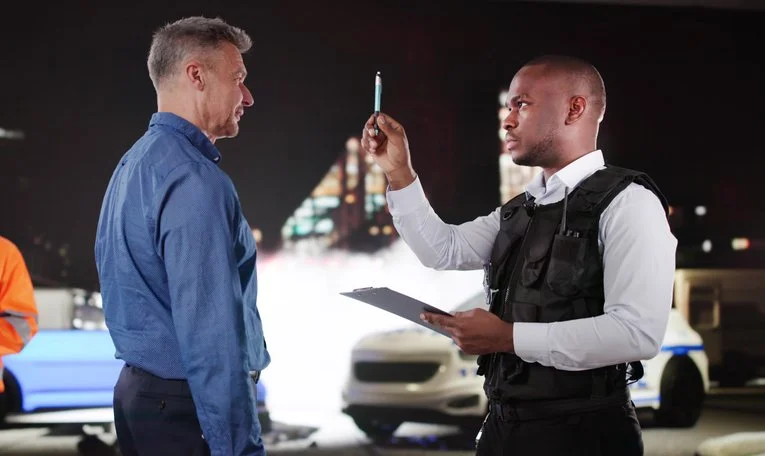
When you're pulled over under suspicion of DWI in Texas, you're suddenly facing a series of high-stakes decisions—often with flashing lights in your face, adrenaline pumping, and no legal counsel by your side. One of the most critical choices? Whether to submit to breath, blood, or field sobriety testing.
At Christian, Nisbet & Casillas, we defend people every day who either refused a breath test, blood, field test—or took them and now regret it. If you're facing consequences for refusal or alleged failure of DWI testing, we’re here to walk you through the law, the science, and your defense.
Texas Implied Consent Law
In Texas, if you drive a car, you’re considered to have given “implied consent” to chemical testing if arrested for DWI. But—and this is critical—you can still refuse that testing. The refusal, however, comes with consequences.
What Happens If You Refuse Testing?
1. Driver's License Suspension (ALR Process)
180 days for first refusal
2 years if you’ve previously refused or had a DWI-related suspension
You have 15 days from the arrest to request an Administrative License Revocation (ALR) hearing—or the suspension kicks in automatically
2. Use of Refusal in Court
The prosecution can—and often will—argue that refusal shows a “consciousness of guilt,” which can sway a jury
Field Sobriety Tests (FSTs): You Can Refuse These Too
Field sobriety tests (like the walk-and-turn or one-leg stand) are voluntary—but officers rarely tell you that. You are not legally required to perform them, and refusal alone does not result in automatic license suspension. These tests are subjective, flawed, and often misapplied.
What About Forced Blood Draws?
In certain cases, Texas law allows officers to seek a blood warrant—especially if:
There’s a crash with injury or death
You have prior DWI convictions
You refuse breath testing
If a warrant is issued, refusal isn’t an option. But we can still challenge how the sample was obtained, stored, or tested.
What’s Changed Recently (2023–2025)?
Faster blood warrant processing: Officers now obtain electronic warrants in minutes, meaning refusals often just delay testing—not stop it
Increased use of refusal as trial evidence: Prosecutors are pushing harder to make juries equate refusal with guilt
ALR hearings are more aggressive: DPS is fighting harder to uphold suspensions, making the hearing more important than ever
How We Defend Test Refusal or Failure
At Christian, Nisbet & Casillas, we don’t just accept the State’s evidence—we tear it apart.
1. ALR Hearing Representation
We fight the suspension, cross-examine the arresting officer, and preserve valuable testimony for your criminal case.
2. Challenging Test Protocols
Even if a test was performed, we examine whether it followed strict scientific and legal procedures. Breath machines malfunction. Blood samples degrade. Officers make mistakes.
3. Suppressing Test Results
If your constitutional rights were violated—no probable cause, invalid warrant, unlawful stop—we move to suppress the test and all related evidence.
4. Educating the Jury
We frame refusal in a way jurors can understand—protecting your rights under pressure isn't guilt, it's common sense.
What You Should Do Right Now
If you’ve refused or tested over the limit, don’t wait—every day matters
Preserve any video from the stop, especially dashcam or bodycam
Request an ALR hearing within 15 days of arrest
Do not talk to police or prosecutors without an attorney
Call a defense lawyer who knows how to challenge the science—and the assumptions
Final Thoughts
A single moment—choosing to blow or not, say yes or no—can have massive legal consequences. But it doesn’t mean your case is over. Whether you refused, failed, or never even got the chance, there’s a defense worth fighting for.
When the test defines your case…we’re that call.
