DSHS Reinstates Ban on Non-Delta-9 THC in Texas
What Texans Should Know
By Thom Nisbet

Texas hemp and THC laws have been confusing for years. For businesses, consumers, students, professionals, and anyone who purchased products legally from a storefront, that confusion can now carry serious criminal risk.
On July 10, 2026, the Texas Department of State Health Services issued a notice reinstating prior controlled substance definitions for “tetrahydrocannabinols” and “marihuana extract.” The notice states that these reinstated definitions become effective July 31, 2026.
The practical concern is simple: products that many people have treated as legal hemp products, including certain delta-8 and other non-delta-9 THC products, may now be treated by law enforcement as controlled substances depending on their ingredients, testing, labeling, and how prosecutors interpret the rule.
At Christian, Nisbet & Casillas, we defend people accused of drug crimes in San Antonio and throughout Texas. When a changing rule turns a product, purchase, or business decision into a criminal allegation, you need more than a quick explanation. You need a defense strategy.
What Changed?
DSHS has reinstated definitions from the 2021 Schedule of Controlled Substances related to tetrahydrocannabinols and marihuana extract. Those definitions had previously been blocked by a temporary injunction in litigation involving Sky Marketing Corp. and the Texas Department of State Health Services.
That changed after the Supreme Court of Texas issued an opinion on May 1, 2026, and the mandate dismissing the plaintiffs’ claims issued on June 5, 2026. DSHS then published its July 10 notice reinstating the prior modifications.
Under the reinstated language, the Schedule I definition of tetrahydrocannabinols continues to exclude hemp containing up to 0.3% delta-9 THC, but it also addresses synthetic equivalents, derivatives, and isomers with similar chemical structure and pharmacological activity. That is why delta-8 and other non-delta-9 THC products are now creating concern.
Does This Mean Delta-8 Is Illegal in Texas?
The safest answer is that the legal risk has changed significantly. DSHS’s notice and the Texas Supreme Court ruling give the State a stronger basis to treat certain non-delta-9 THC products as controlled substances. That does not mean every case is simple, and it does not mean the State automatically wins.
The details matter. A criminal case may turn on what the product actually contained, how it was manufactured, how it was labeled, whether testing was accurate, where it was purchased, whether the person knew what they had, and whether law enforcement handled the investigation properly.
For consumers, this can be especially frustrating. Someone may have purchased a product from a store, believed it was lawful, and later found themselves facing a drug investigation or criminal charge. That is exactly the kind of fact pattern where early legal defense matters.
What Products Could Create Criminal Exposure?
The July 10 notice has raised concern around products containing more than trace amounts of cannabinoids such as delta-8, delta-10, THCP, and other THC derivatives or isomers that are not delta-9 THC.
Potentially risky products may include:
Delta-8 gummies, vapes, tinctures, or edibles
Delta-10 products
THCP or similar high-potency cannabinoid products
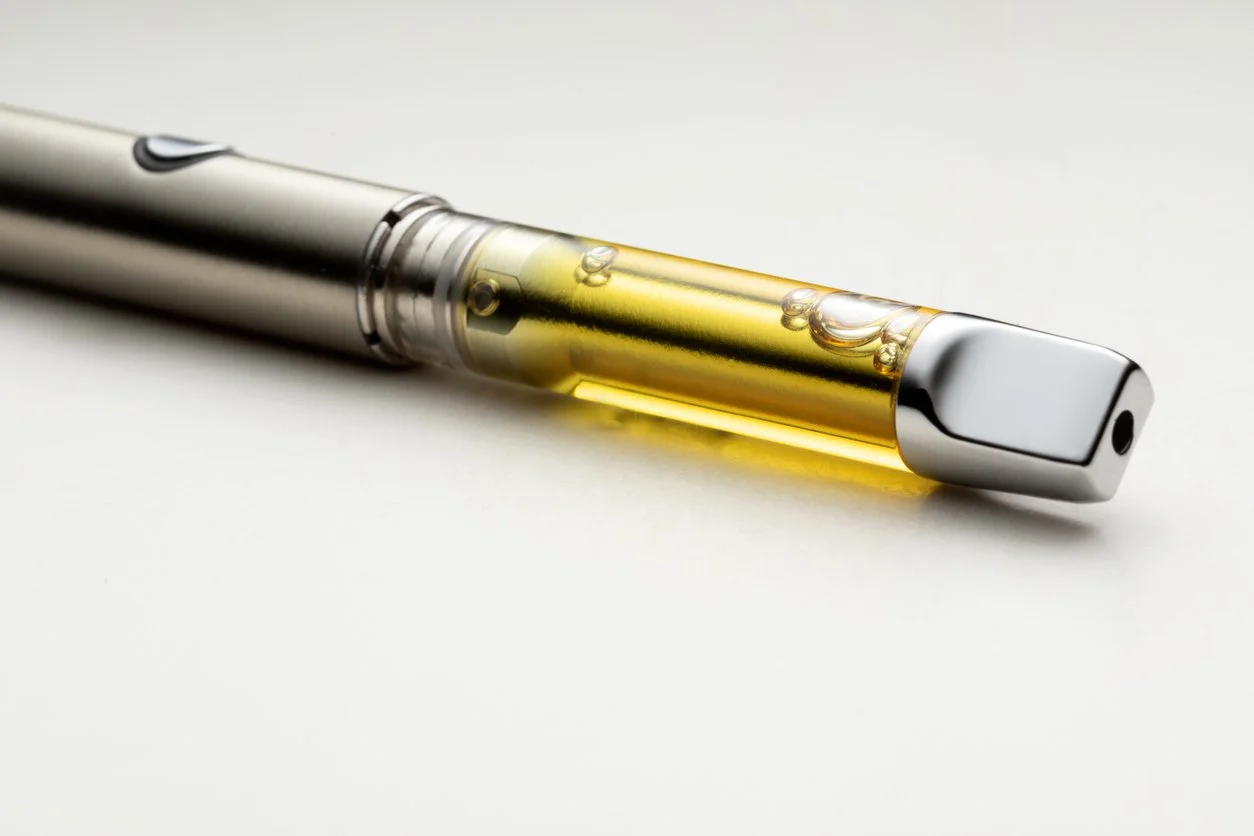
Vape cartridges or concentrates labeled as hemp-derived THC
Products marketed as legal alternatives to marijuana
Inventory held by retailers, distributors, or smoke shops
The label alone does not decide the case. Prosecutors often rely on lab testing, product packaging, purchase records, witness statements, store records, and officer interpretation. A defense attorney should review the actual evidence before anyone assumes the charge is valid.
Could This Lead to Drug Charges?
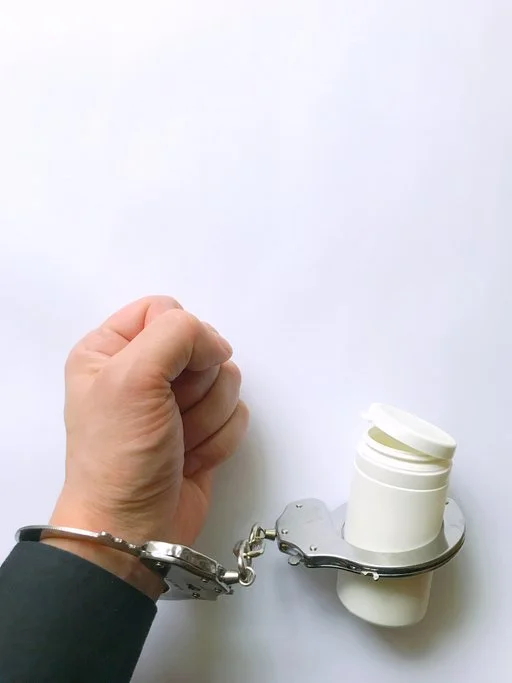
Yes. Depending on the facts, a person could face allegations involving possession, delivery, possession with intent to deliver, manufacturing, distribution, or conspiracy. Business owners may face additional risk if law enforcement believes products were sold after the effective date or were marketed in a way that violates Texas law.
The consequences can be serious. A drug charge can affect employment, professional licensing, school enrollment, housing, immigration status, and reputation. For business owners, it can also threaten inventory, cash flow, licenses, leases, banking relationships, and the future of the business itself.
But the State still has to prove its case. A controlled substance allegation based on a hemp-derived product can raise issues involving chemistry, statutory interpretation, testing accuracy, chain of custody, search and seizure, intent, knowledge, and whether the accused reasonably understood the product to be lawful.
How We Defend THC and Hemp-Related Drug Cases
1. We Examine the Product and the Testing
The first question is what the product actually contained. We review lab reports, testing methods, packaging, batch information, certificates of analysis, and chain of custody. If the State’s testing is incomplete, unreliable, or unclear, that can become a central part of the defense.
2. We Challenge the Search and Seizure
Many drug cases begin with a traffic stop, store inspection, search warrant, or seizure. If police exceeded their authority, lacked probable cause, or mishandled the search, evidence may be challenged.
3. We Push Back on Intent
Possession is different from delivery. Delivery is different from intent to distribute. A business owner holding inventory is different from someone accused of trafficking controlled substances. We look closely at what prosecutors are claiming and whether the facts actually support that theory.
4. We Use the Legal Confusion as Part of the Defense
Texas hemp law has been in flux for years. When products were openly sold, labeled as hemp, purchased from licensed businesses, and treated by many consumers as lawful, those facts matter. Confusion does not automatically erase a criminal charge, but it can be important when evaluating knowledge, intent, charging decisions, and possible resolutions.
5. We Protect Your Reputation and Future
Drug accusations move quickly. So do job consequences, school discipline, professional licensing concerns, and public embarrassment. We work to limit the damage early, communicate strategically, and fight for outcomes that protect the client’s record and future.
What Should You Do If You Are Contacted by Police?
If law enforcement contacts you about delta-8, THC products, hemp inventory, or any drug-related investigation, do not try to explain everything on your own.
Do not:
Give a statement without legal counsel
Consent to a search without understanding your rights
Delete messages, invoices, lab reports, or product records
Assume that a store receipt or product label will automatically protect you
Contact employees, customers, or witnesses to “clear things up” without legal advice
Instead, preserve the records you have, avoid discussing the matter by text or social media, and contact a criminal defense attorney immediately.
Final Thoughts
The law around hemp-derived THC products in Texas has changed quickly, and the consequences may fall hardest on people who believed they were acting legally. Whether you are a consumer, student, professional, retailer, or business owner, a THC-related investigation can become a serious criminal case before you realize what is happening.
You do not have to wait until charges are filed to protect yourself.
If you are being investigated, questioned, or accused over delta-8, non-delta-9 THC, or any controlled substance allegation in Texas…we’re that call
Frequently Asked Questions About Delta-8 THC and Non-Delta-9 THC in Texas
-
Texas DSHS reinstated controlled substance definitions effective July 31, 2026 that create serious legal risk for delta-8 and other non-delta-9 THC products. Whether a specific product leads to criminal exposure depends on its contents, testing, labeling, and the facts of the case.
-
It is possible. A store receipt or product label may be helpful evidence, but it does not automatically prevent an arrest or prosecution. Law enforcement may rely on lab testing, packaging, statements, and other evidence to decide whether to pursue charges.
-
Non-delta-9 THC products may include cannabinoids or THC isomers such as delta-8, delta-10, THCP, and similar hemp-derived or synthetic products. The legal analysis can depend on the exact chemical makeup of the product.
-
Do not give a statement or try to explain the situation without legal counsel. Preserve records, avoid deleting messages or product information, and speak with a criminal defense attorney before talking to investigators.
-
Yes, depending on the facts. Retailers, distributors, and business owners may face allegations involving possession, delivery, intent to deliver, manufacturing, or distribution if law enforcement believes products qualify as controlled substances.
-
Yes. Defense strategies may include challenging the search, the lab testing, the chain of custody, the alleged substance classification, the accused person’s knowledge or intent, and whether prosecutors can prove every element of the charge.