First Arrest in College? How to Protect Your Future
Starting college is supposed to open doors. An arrest can threaten them.
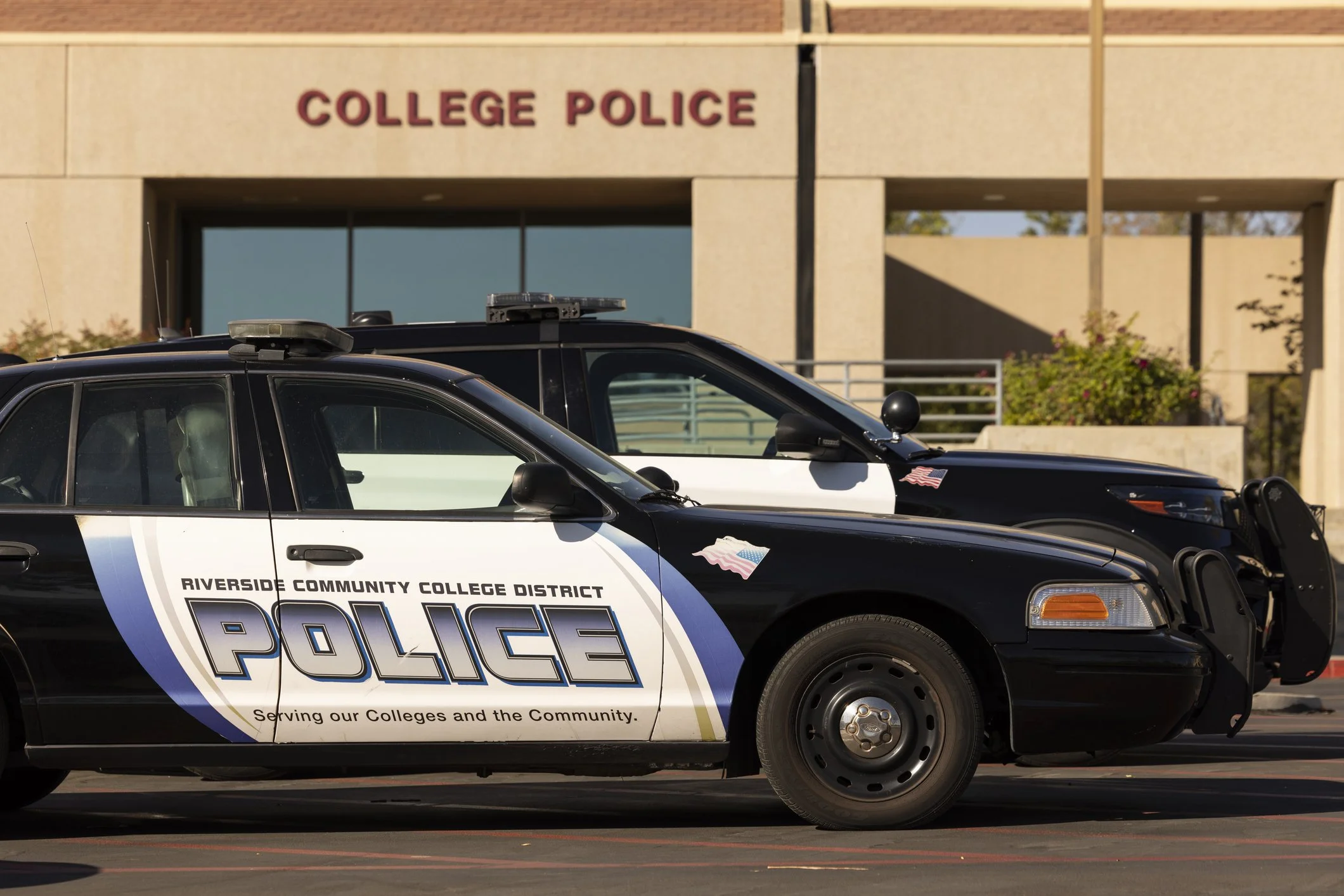
College is supposed to be the beginning of new opportunities - a chance to build a future, meet new people, and start laying the foundation for a career.
But for some students, one mistake, misunderstanding, or moment of bad judgment can suddenly put everything at risk.
At Christian, Nisbet & Casillas, we understand how serious a criminal charge can be for a young adult. When you are in college, an arrest does not just mean a court date. It can affect your education, scholarships, housing, career opportunities, immigration status, professional licensing path, and standing with your university.
If you or your child has been arrested while in college, there is no time to waste. The right steps now can mean the difference between a manageable setback and a consequence that follows you for years.
How College Arrests Happen
College campuses are full of independence, social pressure, late nights, and new responsibilities. Sometimes students are arrested because of a bad decision. Other times, they are swept into a situation because they were nearby, with the wrong group, or misunderstood by police or campus officials.
Common criminal charges involving college students in Texas include:
Driving while intoxicated (DWI)
Driving under the influence by a minor or minor in possession of alcohol (MIP)
Possession of marijuana or a controlled substance
Assault after a fight, fraternity event, party, or dorm incident
Theft, shoplifting, or unauthorized use of another person's property
Fake ID, public intoxication, disorderly conduct, or criminal trespass
Title IX-related allegations that may also involve police or campus discipline
Regardless of the circumstances, the system does not go easy just because a student is young, away from home, or dealing with a first offense. A case that feels small at the beginning can quickly become a criminal record, a license problem, or a university disciplinary matter.
Why One Arrest Can Affect Your Entire Future
A college arrest can create two separate problems at the same time: the criminal case and the school conduct process. These are not the same thing, and one does not automatically control the other.
Even if the criminal case is eventually reduced or dismissed, the university may still investigate under its student code of conduct. Depending on the facts and the school, a student may face housing restrictions, no-contact orders, probation, suspension, expulsion, loss of campus leadership roles, or other sanctions.
A single conviction - and sometimes even an unresolved arrest - can also create problems with:
Background checks for jobs, internships, and graduate schools
Scholarships, athletic eligibility, or school-specific financial aid requirements
Professional licensing for careers in law, medicine, nursing, education, finance, government, or security-sensitive fields
Driver's license issues in alcohol or drug-related driving cases
Immigration status for international students
Military, ROTC, study abroad, or campus housing opportunities
It is important to be accurate about financial aid. A drug conviction no longer automatically affects federal student aid eligibility, but a criminal case may still affect school-specific scholarships, athletic participation, housing, program requirements, or future professional opportunities. That is why students should not guess, overshare, or make admissions without legal guidance.
The Biggest Mistakes Students and Parents Make After an Arrest
The worst mistake is assuming the case will work itself out. Many first-time students accept quick pleas, write statements, apologize in a way that admits legal responsibility, or talk to the school before understanding how their words may be used.
After a college arrest, avoid these mistakes:
Do not talk to police or prosecutors to 'clear things up' without an attorney.
Do not give a written or recorded statement to the school before getting legal advice.
Do not post about the incident or respond to accusations online.
Do not contact alleged victims, witnesses, roommates, classmates, or mutual friends about the facts.
Do not delete messages, photos, videos, location data, or social media activity.
Do not assume a school-appointed advisor is protecting your criminal defense interests.
Do not plead guilty just to make the stress go away.
Protecting Your Record and Your Future
At Christian, Nisbet & Casillas, we understand both the criminal and academic consequences of a college arrest. Our goal is not just to handle the court date. Our goal is to protect the student's record, reputation, education, and future opportunities.
We move quickly to:
Review the arrest, police report, video, witness statements, and evidence
Challenge illegal stops, searches, testing procedures, or weak evidence
Identify diversion, dismissal, deferred disposition, or reduction options when available
Coordinate the criminal defense strategy with any university conduct process
Help students avoid statements that could damage the criminal case
Address driver's license issues in DWI or alcohol-related cases
Prepare for school hearings, conduct meetings, or disciplinary appeals
Evaluate future record-clearing options, including expunction or nondisclosure when available
Every student deserves the chance to recover from a mistake without carrying a criminal record for life. The earlier a defense team gets involved, the more options may be available.
What Parents Should Know
Parents often want to fix the situation immediately. That is understandable. But calling the school, contacting witnesses, or trying to explain the incident can create problems if it is not done carefully.
The best first step is to help the student gather information and stay quiet until legal counsel is involved. Save court paperwork, bond conditions, university notices, emails, text messages, rideshare records, receipts, videos, and names of potential witnesses.
For students over 18, parents may also need the student's permission to access school records or communicate with the university. A defense attorney can help the family understand what to say, what not to say, and how to protect the student without making the situation worse.
You Are Not Alone, and You Are Not Without Options
If you or your child has been arrested during college, do not wait for court dates to pile up or disciplinary notices to arrive. The sooner you seek help, the more options you may have to protect what matters most.
At Christian, Nisbet & Casillas, we are not here to judge. We are here to defend futures, preserve opportunities, and make sure one misstep does not erase years of hard work and ambition.
We have helped students and young professionals navigate criminal charges, school consequences, and record concerns so they can keep moving forward.
Let’s Fight for Your Future
College should be a place for growth, not lifelong consequences. If an arrest has threatened your plans, take action now.
Contact Christian, Nisbet & Casillas today for a confidential consultation. We will explain your rights, your options, and how we can work together to protect the future you have worked so hard to build.
A mistake should not define your life. With the right defense, it does not have to.
When one college arrest threatens everything you have worked for…we’re that call
Frequently Asked Questions About College Arrests
-
Do not try to explain the situation to police, prosecutors, school officials, or other students without legal advice. Save every document, preserve messages and records, avoid posting online, and contact a criminal defense attorney quickly.
-
Yes. Depending on the school and the allegation, a student may face a campus conduct investigation, housing restrictions, interim measures, suspension, expulsion, or other disciplinary action separate from the criminal case.
-
It can affect school-specific scholarships, athletic eligibility, housing, and program requirements. Federal student aid rules have changed, and drug convictions no longer automatically affect federal student aid eligibility, but students should still get legal guidance before making disclosures.
-
Common charges include DWI, DUI by a minor, minor in possession of alcohol, marijuana or controlled substance possession, assault, theft, fake ID allegations, public intoxication, disorderly conduct, and criminal trespass.
-
A student should be careful about giving any statement before speaking with counsel. What is said in a campus process may affect the criminal case, immigration status, professional licensing, or future school and employment opportunities.
-
Sometimes. Expunction or nondisclosure depends on the charge, the result, prior history, and the type of resolution. Dismissals, acquittals, some Class C deferred dispositions, and some diversion outcomes may create record-clearing options.
-
Early representation can preserve evidence, avoid damaging statements, address bond and license issues, coordinate with the school process, and pursue diversion, dismissal, or record-protection options before mistakes become harder to fix.